|
Choosing Homeschool Curriculum: What to Consider
© Beverley Paine 2011
Examine the resources carefully
Once you have determined the methodology that best suits you and your family, find out as much as you can about the curriculum materials you are considering. Those written by experienced homeschooling parents tend to be much easier to use. Some are written for the parent or teacher, others are designed for the child to use. It is naïve to think that you can purchase a set of student work-books, sit the child down with them and call that home education. Reading 'how to' books for homeschooling parents will enrich your homeschooling experience immensely.
On the practical level consider carefully the quality of the product, the nature of the content and the teaching style used. Check to make sure that it matches your child's learning style as well.
Do the materials expect the student to work independently, or is it designed to be taught? Materials written for the school market suit classroom learning situations and may not translate well to the homeschool. It may be teacher friendly, but is it parent friendly too? Some materials require considerable understanding of both content and method by the parents teaching the child. You may need to read a teaching manual or two before applying the curriculum. Some have very little in the way of instruction for the parent, expecting that you will know how to teach the material. Some maths curricula, for example, include pages of problems without showing how to solve them. It is best to invest in materials that offer explanations, instructions and learning strategies and tips.
Just as important, consider if the curriculum reflects your family's values and lifestyle choices. Educational material reflects the values of the authors and their cultural bias, some more subtly than others.
Many homeschool curricula and resources have been developed by Christian home educators over the last couple of decades to fill a gap in the home education market. What works for other families might not sit well with you, even if it is an excellent educational resource. If you aren't comfortable with a particular curriculum or resource you won't use it.
Understanding your core values and beliefs underpins the choices
you make. Work through any assumptions you have about the nature and
purpose of education. Personalise education for your family. Talk about and write down your long and short term objectives. How will you measure developmental and educational success? This will help you pick the materials that will help you achieve your goals.
Information technology is rapidly changing the way we educate our children. For many families it presents a convenient way of tracking and recording learning progress. Interactive and engaging games teach basic subjects like spelling, grammar and mathematics. Other programs encourage inquiry or group learning. You will need to determine your thoughts and opinions about the use of information technology for education in your home, how extensive it will be, how you will manage issues related to privacy and internet safety, potential health risks to your children, and how learning using this technology will be managed (not easy if you only have one computer connected to the internet and four eager students!) Not all homeschooling families are connected to the World Wide Web and although your children will need to become familiar with and learn how to use the technology, how and when it is introduced is up to you.
If you are homeschooling more than one child, find out if the materials cover all ages and levels. If you need to invest considerable time learning a particular teaching method you need to feel confident you can use that approach and the same materials for your other children. If you are purchasing different curriculum materials for each subject area, your workload in understanding how to use them effectively can quickly mount up and become overwhelming. Children enjoy materials that integrate learning across all curriculum areas, especially as it will cover more ground in less time, but such an approach is harder to track progress in each subject and may result in more work for the parent.
Confidence in home educating grows quickly when attention is given to an efficient and regular system of recording the children's educational progress. Does the curriculum you are considering include suitable methods for recording learning activities and their outcomes? Or will you need to devise your own evaluation plan, or purchase separate recording materials? Does it include appropriate review of the work, revision pages, tests, self-tests, answer-keys, etc? Does it include too much review, or over-emphasise this aspect of the curriculum? 'Teaching to pass the test' offers short-term satisfaction but creates deleterious learning habits.
Is the curriculum comprehensive or will you need to purchase extra books or materials? It doesn't take long for home educating families to realise that there are many ways for children to learn. Homeschooling children enjoy learning through play and games, developing projects of their own and researching interesting topics as they arise in daily life. Would the money you are considering spending on a series of science text-books be better spent on science equipment which will encourage and allow your children to explore and experiment? Will the budget stretch to cover both options?
As mentioned before, the materials and approach you use need to reflect your children's individual learning styles and needs. Look for quality curriculum materials that teach using different styles, offering a variety of learning activities: reading, exploration, projects, hands-on, visual, aural, etc.
At this stage of planning you are ready to ask other homeschooling parents
with similar aged children to your own what curriculum materials they used and if they worked for both the child and parent, and if they didn't, why.
- Join a local support group.
- Ask if they have a homeschool library.
- Attend any homeschool workshops, seminars or conferences held near you or online.
- Attend a homeschool trade fair: the opportunity to talk to homeschool suppliers and to see a huge selection of materials representing different methods is invaluable and not to be missed.
It pays to start slowly and gradually build up a collection of learning resources.
Purchasing a packaged curriculum may answer your immediate concerns but unless you've matched it carefully to your family's needs, it can lock you into a style of education that isn't working at all well, or end up as an expensive unused pile of books on the bookshelf.
See also the other articles in this Choosing Curriculum series:
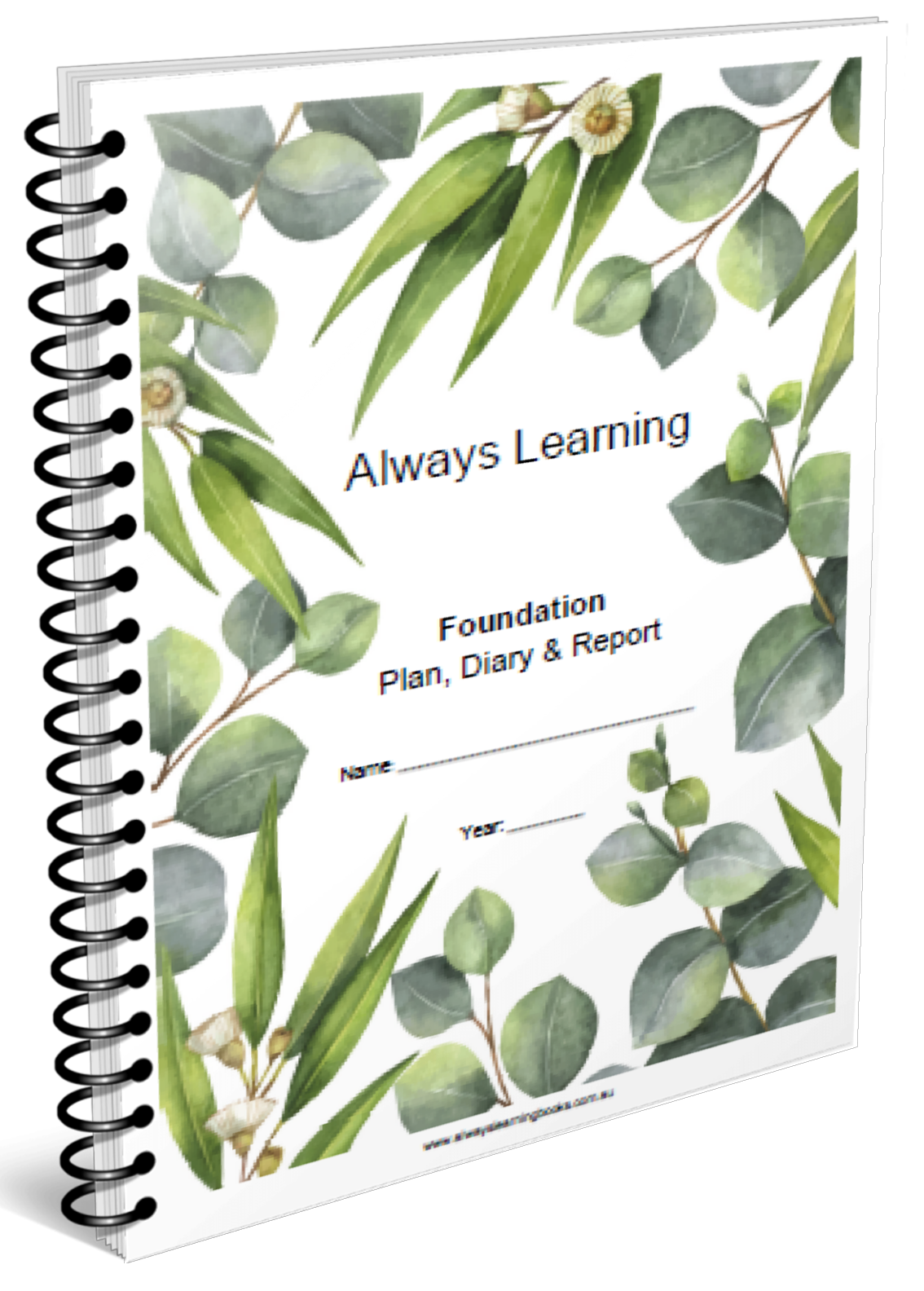
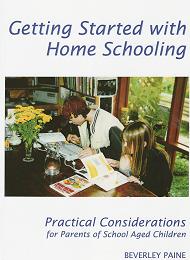
Or purchase Beverley's inexpensive Practical Homeschooling Series booklet from Always Learning Books - over 40 pages of practical information explaining the different approaches as well as useful and helpful advice.

Was this article helpful? Was it worth $1.00 to you?
Your gift of $1 or more helps to keep this site operating
offering encouragement
and reassurance to families
wanting
better outcomes for their children.
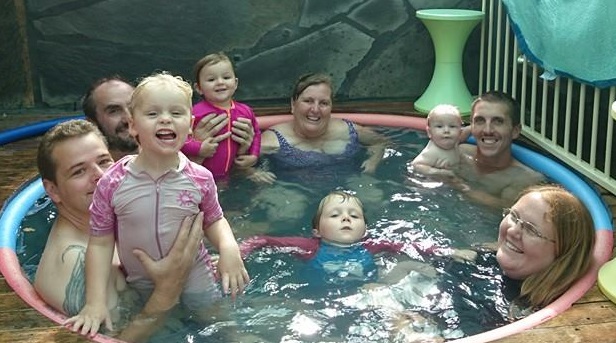
Beverley Paine with her children, and their home educated children, relaxing at home.
Together with the support of my family, my aim is to help parents educate their children in stress-free, nurturing environments. In addition to building and maintaing this website, I continue to create and manage local and national home educating networks, help to organise conferences and camps, as well as write for, edit and produce newsletters, resource directories and magazines. I am an active supporter of national, state, regional and local home education groups.
"You've been an inspiration to me, I love the way
you really listen to people." Vanessa
"Whenever I read your writing I always come away
with increased confidence in my ability to provide and
share a wonderful learning journey with my family!" Davina
"Your guidance, understanding, support and words of
wisdom changed our lives. We now offer support and
organise many homeschooling events for others." Lesley
"Thank you once again for your prompt and friendly service.
I am convinced that your books are going to add
quality and peace of mind to my journey of teaching my kids
at home! Just from studying your website, until almost
2am
in the morning, I 've been encouraged!" Louisa
"Thank you for all your many,many reassuring words
over many, many years. You probably don't know exactly how
valuable you are to the Australian Home Education community.
I've been reading your stuff for maybe 8 years or more now.
And I'm very grateful." Gythaa

CLICK HERE
if you want to learn
how to write your own education plans
to suit
your unique children's
individual learning needs?
Or you are looking for quality curriculum and teaching tips...
|
|
Welcome to the World of Home Education
and Learning without School!
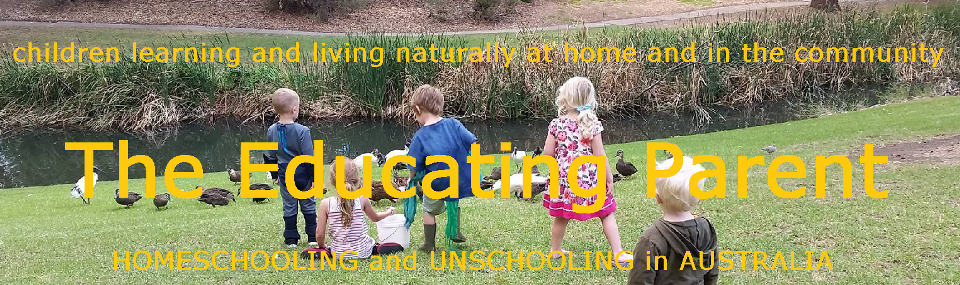
We began educating our children in 1985, when our eldest was five. In truth, we had helped them learn what they need to learn since they were born. I am a passionate advocate of allowing children to learn unhindered by unnecessary stress and competition, meeting developmental needs in ways that suit their individual learning styles and preferences. Ours was a homeschooling, unschooling and natural learning family! There are hundreds of articles on this site to help you build confidence as a home educating family. We hope that your home educating adventure is as satisfying as ours was! Beverley Paine
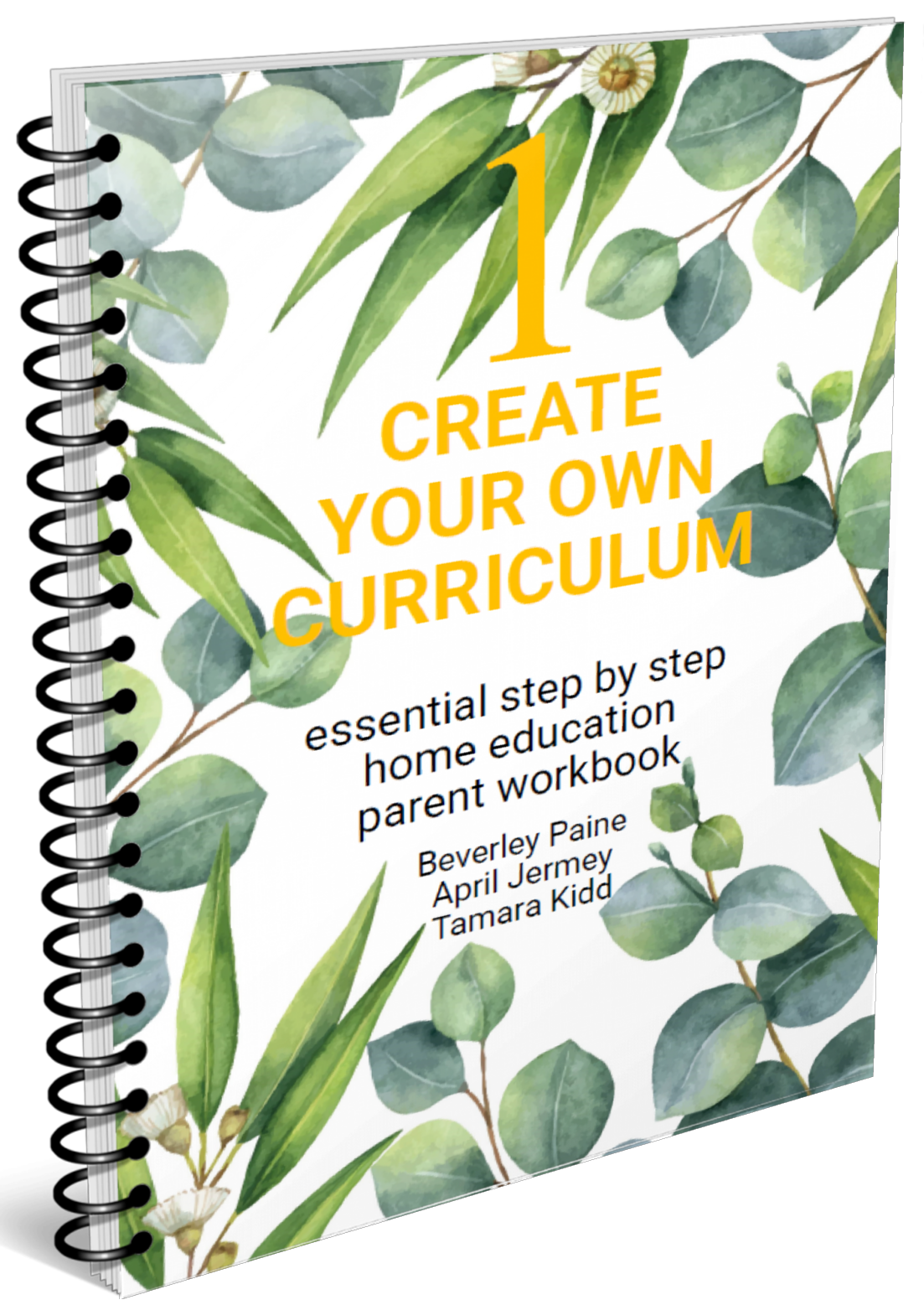
3 ESSENTIAL STEP BY STEP GUIDES
Let experienced home educators Beverley, Tamara and April walk you through HOW to create a learning plan that builds on solid foundations that works for YOUR family AND ticks all the boxes for home educaton registration!
|

Tap into Beverley's
experience
through her books
"Your books, your blogs helped me beyond words... they helped me to find comfort in knowing it is ok to choose exactly what is best for my family." Nisha
"Your books and information are mind blowing and already I am feeling good about this new experience." Diane
"Your guidance, understanding, support & words of wisdom changed our lives." Leslie
"I feel specially inspired by Beverley's words and, the more I read her comments, the more inspired I feel, since my need for support, respect for different parenting styles, and information are fully met." Marijo
|
 |
|

The information on this website is of a general nature only and is not intended as personal or professional advice. This site merges and incorporates 'Homeschool Australia' and 'Unschool Australia'.
The Educating Parent acknowledges the Traditional Aboriginal and Torres Strait Islander Owners, the Custodians of Australia, and pay our respects to Elders past and present and extend that respect to Aboriginal and Torres Strait Islander people viewing this website.
Advertise on this site.








Australia's premier online annual conferences, lifetime access to video and audio recordings, freebies, notes and associated resource guides.
EVERY SUMMIT IS UNIQUE!
$29 each  2023 2023  2022 2021 2022 2021
$25 each 2020 2019 2017
"Biggest and best Aussie homeschool event of the year!"
Home education is a legal alternative
to school education in Australia.
State and Territory governments are responsible
for regulating home education and have different
requirements, however home educating families
are able to develop curriculum and learning programs
to suit the individual needs of their children.

Without revenue from advertising
by educational suppliers and Google Ads
we could not continue to provide information
to home educators. Please support us by letting
our advertisers know that you found them on
The Educating Parent. Thanks!
|
 About
About


 Thank you for visiting!