|
Where to Find Homeschool Resources
Beverley Paine
Cafi Cohen calls this process "learning to fish". She likened herself to a fisherman, with two choices, fishing for others or teaching others to fish.or in this case, helping others turn into information junkies like her. Successful homeschooling seems to run hand in hand with being able to source out educational activities and materials. Finding resources fast is a good skill to encourage. Interest peaks then wanes with amazing speed, especially if it isn't fed the right information or resources straight away. But finding the right stuff quickly isn't as hard as it sounds.
I used to anticipate my children's learning needs a lot when they were young and their attention spans seemed to flit with lightning speed between vastly different activities. I made sure we were well stocked with all the consumables I could think of. It seemed a shame to halt a creative project because we'd run out of masking tape, or couldn't find tube macaroni to dye and thread as beads. With my materials store art, craft and technology projects were instantly resourced. That helped a lot and made homeschooling so much easier.
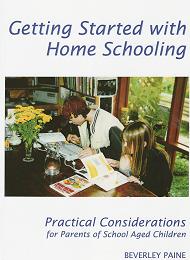
When out shopping I kept an eye open, and bit of money spare each week, for all those great specials I'd find. We bought bulk paper, glitter, rubber bands, cheap tools, anything and everything that I considered remotely useful, whenever we saw it, especially if it was on sale. We kept this mass of resources in well-organised trays on well-organised shelves - all materials labelled, within sight and reach of the children. That meant I had to do a bit of tidying up now and then, with the result that I kept an eye on what we were running short of, and could top up well before we ran out. I have list of consumable and other materials useful in the homeschool in my book "Getting Started with Homeschooling - Practical Considerations."
Families new to homeschooling often wonder how and where to find homeschooling resources. I've followed Cafi Cohen's approach and can't fault it. She recommends cultivating networks, to source out and evaluate great resources, so that you can save money and meet your learning needs much more efficiently. Her eight rules for establishing resource networks have helped us throughout our homeschooling practice.
Rule number one is ask everyone - neighbours, family, friends, co-workers, anyone and everyone. You can't predict where information and resources will come from, but if you make your need known, then others will help do the searching for you. Often they will keep in mind that you are interested, and contact you down the track when resources or information do become available. Most people loved to be asked for advice or information - we all like to feel that we are experts! Asking for opinions will broaden your perspective on life, and might give rise to information about resources you hadn't thought about. A very important tip to remember from Cafi - ask for advice or opinions rather than help, resources or time. People are often unable to give the latter but are always happy to offer the former and sometimes you will strike it lucky and get both!
Don't rely on second-hand information but go directly to the source. This is the only way to weed out inaccurate information that may waste a lot of time and energy and perhaps even material resources. Information changes rapidly, so it's important to check the validity and accuracy from time to time. This isn't to say don't listen to other people or homeschoolers, especially since they can inform you about any pitfalls or advantages based on their own experiences. In fact, talking about their experiences often gives rise to more questions that you can take directly to the source, and thereby sound much more authoritative and assertive than you might have done otherwise. No one minds answering clear and well thought out questions. It makes answering so much easier!
When you ask for advice, always ask follow up questions like who else knows about this, or what books could you recommend, or is there any other way I could do this? Keep expanding your questions to net in more knowledge. It's a good idea to keep a notebook in your pocket. Don't entrust it all to your memory. And you never know when you're going to find out something useful that you can jot down.
Directing your brain to focus on the problem, and avoiding distracting side issues, is a real plus. When you need information or resources keep them, and the reason for searching for them, uppermost in your mind. For instance, if you're seeking information about the Pyramids, don't go on a long journey into Cleopatra's life simply because an interesting fact or two caught your attention. Make a note of your interest, to pursue later, and get back on task. Stay focussed. It's easy to get lost in the joy of hunting down resources and information, like an information junkie, and then forget what to do with it all. Cafi likens it to a tourist who stops at every attraction and ends up with tired feet and a blur of impressions at the end of the day - in other words, no result.
It's equally important to continually question the source of your information - can you trust it to be accurate, factual, and useful? Are they any hidden interests, like getting you to sign up, spend money, invest in their future? Does the source have the expertise to answer your question? Can they justify his or her statements? If they can't, then ask them where they got their information from so you can track it back to the source to make up your own mind.
And evaluate the resources that you gather. Is this what you need? Does it do the job? Is it economical, efficient, and appropriate to the task? You can throw in additional requirements, like earth-friendliness, recyclable, reusable, if you like. And don't forget to pass on resources that you find are no longer useful. There are always others in your homeschooling network or neighbourhood that will find them of great value. Get a flow of resources going - borrowing, exchanging, buying or selling second-hand resources and materials. The contact with others gives you more opportunity to network and exchange information!
Don't be afraid of considering alternatives. In fact, keep an open mind and accept whatever comes you way, assessing it's suitability and potential to slot into your home learning program, if not now, then in the future. I know a family who wanted a scrabble game and, instead of buying one, borrowed one then made a copy from a pizza box! This is creative ingenuity at its best. You could look into local surf life saving classes instead of travelling 60km to those martial arts class your daughter is interested in. It might fit the bill, depending on what the underlying learning need is.
If one source of information or resource doesn't yield results don't give up, try another, or ten others! It's easy to fall into distraction after say, three tries, or feel discouraged. I do this all the time on the Internet when surfing, usually just before I find the site that gives me exactly what I want! Perseverance is valued trait - encourage it, in yourself and your children. Sometimes this will mean trying another approach, coming at the problem from a different angle, or seeing it from a different perspective. I've found that rewording my Internet search phrase to more accurately reflect my need always pays dividends.
The most important rule according to Cafi is passing your information and resource gathering skills along to your children. Why should you be the one to do all the work? More importantly, getting your children involved in hunting down resources and information and evaluating them and their sources, teaches them those invaluable skills embedded in just about every educational curriculum ever written. These are life skills and will stand them in good stead throughout their lives.
It's important at this point to emphasise the importance of simply talking to people and asking questions. The bulk of our learning actually occurs through conversation so it's not unreasonable to think that most of your homeschooling resources will come via word of mouth. People are the greatest and richest source of information we have. Don't be afraid to milk this valuable resource. And don't forget to talk about what interests you to others. You never know; you could be offering them valuable information that will spark a new interest or take an existing interest to a deeper level.
Apply the 'six degrees of separation law' - you are never more than six people away from any piece of information. How's that? Well, if the first person can't answer your question, ask him or her to recommend someone who might be able to. Ask this person the same questions. Chances are you'll hit on the 'expert' real quick. Don't be shy to talk to or write to the experts either. Remember, these experts are really only people, like you, and me but they've specialised in an area different from us, and are enriched by their experiences. Most people, if approached in a friendly and considerate way, are happy to share information.
Don't forget the wealth of information hiding in local libraries. Cafi Cohen says library searches are incomplete if you haven't perused the community resource section, chatted with the reference librarian, asked about inter-library loan for any books or materials not in your local system, and checked the World Wide Web on the library computer. Teach your children how to fully use the library, not just how to select and borrow books. And don't forget you can use the interlibrary loan system to borrow and preview text books and books on homeschooling.
Often homeschoolers are shy of using schools as a source of information and resources. It's an obvious place to look. We used to receive our local school newsletter - this kept us up to date with all the visiting displays, performance, after school activities and sports events that were occurring in the area. Schools can be a wonderful source of information and referrals for educational materials. And don't stop at contacting schools - TAFE colleges and universities are great sources of information too.
Local and state homeschooling organisations and groups can often help you find resources in your community. Be part of the information pipeline by joining local and state homeschooling support groups and by contributing when you find a good resource. Send information or feedback on educational resources, materials, curriculums, places and so on, to the newsletter.
Don't be shy. Ask. Then ask some more. John Holt said, "Intelligence is the measure of how we behave when we don't know what to do. It has to do with our ability to think up important questions and then find ways to get useful answers."
Cafi Cohen of Arroyo Grande, California is the mother of two grown-up homeschoolers and the author of "And What About College?" (Holt, 1997). http://pages.prodigy.com/homeschool

Was this article helpful? Was it worth $1.00 to you?
Your gift of $1 or more helps to keep this site operating
offering encouragement
and reassurance to families
wanting
better outcomes for their children.

Beverley Paine with her children, and their home educated children, relaxing at home.
Together with the support of my family, my aim is to help parents educate their children in stress-free, nurturing environments. In addition to building and maintaing this website, I continue to create and manage local and national home educating networks, help to organise conferences and camps, as well as write for, edit and produce newsletters, resource directories and magazines. I am an active supporter of national, state, regional and local home education groups.
"You've been an inspiration to me, I love the way
you really listen to people." Vanessa
"Whenever I read your writing I always come away
with increased confidence in my ability to provide and
share a wonderful learning journey with my family!" Davina
"Your guidance, understanding, support and words of
wisdom changed our lives. We now offer support and
organise many homeschooling events for others." Lesley
"Thank you once again for your prompt and friendly service.
I am convinced that your books are going to add
quality and peace of mind to my journey of teaching my kids
at home! Just from studying your website, until almost
2am
in the morning, I 've been encouraged!" Louisa
"Thank you for all your many,many reassuring words
over many, many years. You probably don't know exactly how
valuable you are to the Australian Home Education community.
I've been reading your stuff for maybe 8 years or more now.
And I'm very grateful." Gythaa

CLICK HERE
if you want to learn
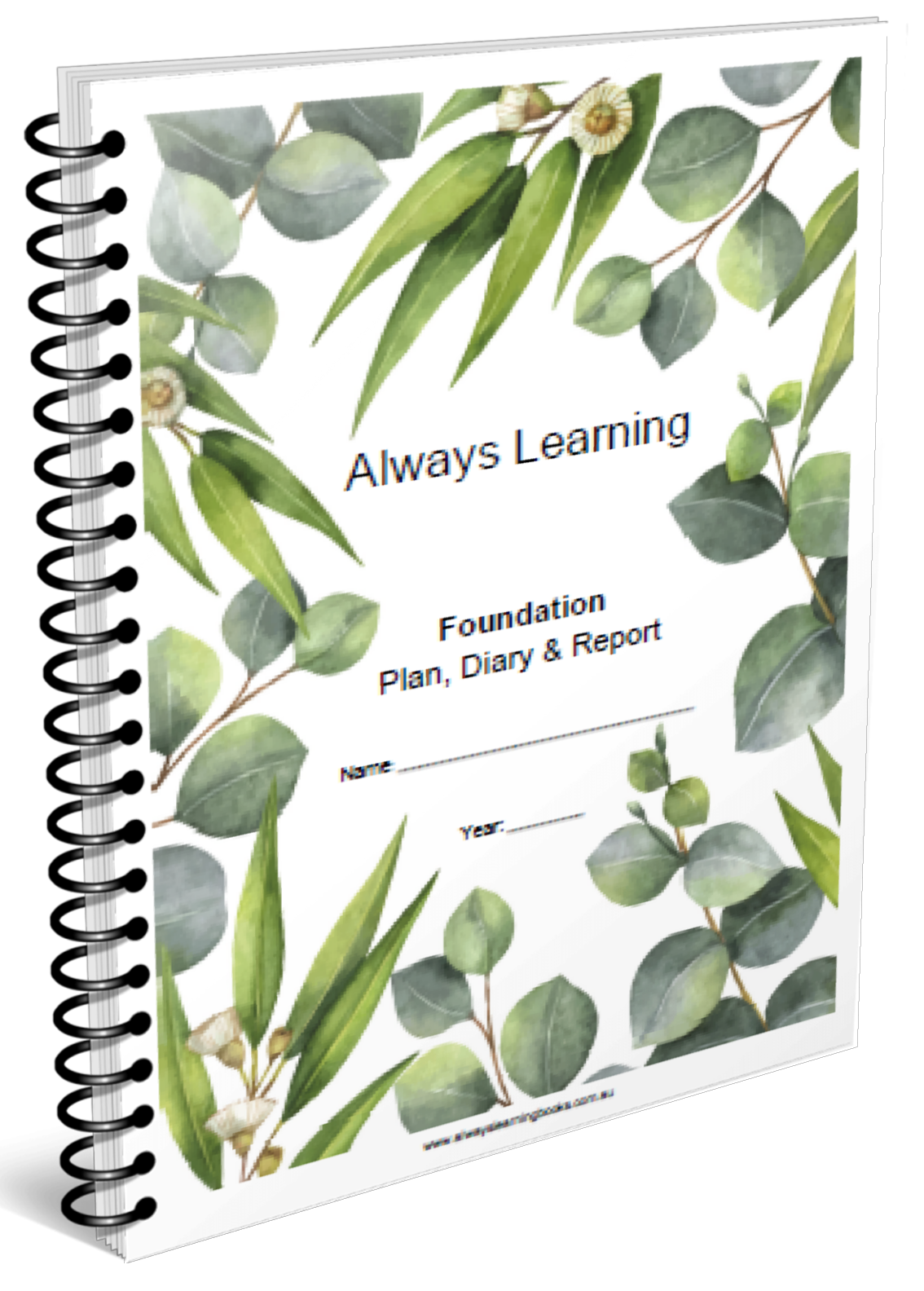
how to write your own education plans
to suit
your unique children's
individual learning needs?
Or you are looking for quality curriculum and teaching tips...
|
|
Welcome to the World of Home Education
and Learning without School!
We began educating our children in 1985, when our eldest was five. In truth, we had helped them learn what they need to learn since they were born. I am a passionate advocate of allowing children to learn unhindered by unnecessary stress and competition, meeting developmental needs in ways that suit their individual learning styles and preferences. Ours was a homeschooling, unschooling and natural learning family! There are hundreds of articles on this site to help you build confidence as a home educating family. We hope that your home educating adventure is as satisfying as ours was! Beverley Paine
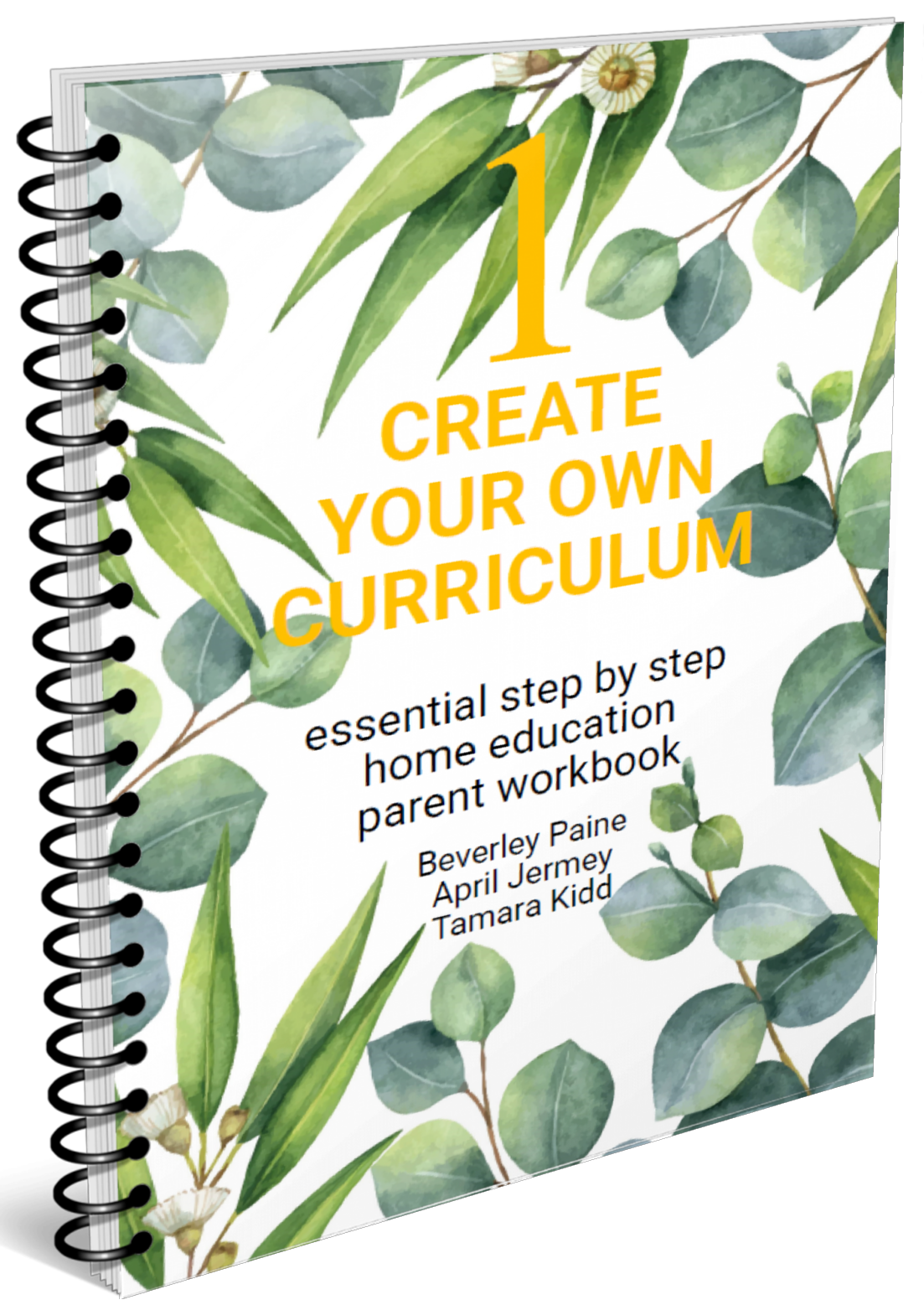
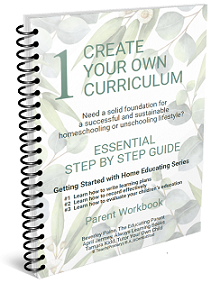
3 ESSENTIAL STEP BY STEP GUIDES
Let experienced home educators Beverley, Tamara and April walk you through HOW to create a learning plan that builds on solid foundations that works for YOUR family AND ticks all the boxes for home educaton registration!
|

Tap into Beverley's
experience
through her books
"Your books, your blogs helped me beyond words... they helped me to find comfort in knowing it is ok to choose exactly what is best for my family." Nisha
"Your books and information are mind blowing and already I am feeling good about this new experience." Diane
"Your guidance, understanding, support & words of wisdom changed our lives." Leslie
"I feel specially inspired by Beverley's words and, the more I read her comments, the more inspired I feel, since my need for support, respect for different parenting styles, and information are fully met." Marijo
|
 |
|

The information on this website is of a general nature only and is not intended as personal or professional advice. This site merges and incorporates 'Homeschool Australia' and 'Unschool Australia'.
The Educating Parent acknowledges the Traditional Aboriginal and Torres Strait Islander Owners, the Custodians of Australia, and pay our respects to Elders past and present and extend that respect to Aboriginal and Torres Strait Islander people viewing this website.
Advertise on this site.









Australia's premier online annual conferences, lifetime access to video and audio recordings, freebies, notes and associated resource guides.
EVERY SUMMIT IS UNIQUE!
$29 each  2023 2023  2022 2021 2022 2021
$25 each 2020 2019 2017
"Biggest and best Aussie homeschool event of the year!"
Home education is a legal alternative
to school education in Australia.
State and Territory governments are responsible
for regulating home education and have different
requirements, however home educating families
are able to develop curriculum and learning programs
to suit the individual needs of their children.

Without revenue from advertising
by educational suppliers and Google Ads
we could not continue to provide information
to home educators. Please support us by letting
our advertisers know that you found them on
The Educating Parent. Thanks!
|
 About
About


 Thank you for visiting!