|
How many hours a day?
© Beverley Paine
From the outset, recognise that children are learning every minute of every day. They are like sponges - when kept wet they don't seem to mop up much at all, but leave them alone and when a puddle happens they soak up so much. Of course, the more 'puddles' they have access to the better, although I am not an advocate of the 'smorgasbord' approach to education.
Home education is more effective than classroom learning which less time needed on lessons. Plus you can take away the hours spent in managing and organising twenty plus other children that every school teacher has to take into account. If you set up your home so that thing are easy to tidy, within reach and accessible without needing your help to find them, you'll need a lot less time than any school teacher to impart the same skills and knowledge. And then, of course, not everything needs to be taught in the same way schools do - some happen much more naturally and in context of every day living.
If you learn to recognise the informal learning as it happens throughout the day and name it using educational jargon - either as a skill, attitude, concept, piece of knowledge from each each subject area - you will soon realise just how much of the curriculum is already embedded within a busy, productive normal household! From there is it is easy to add topics and concepts that you feel are essential and important to your children's education without getting bogged down with trying to fit everything into each day!
There is no need for a time table unless you or your child wants or needs one. Educational authorities across Australia realise that these belong in the classroom and serve to organise large numbers of people in relatively crowded conditions. We had a flexible timetable because it helped me to feel confident and organised. I used it in the same way I used the monthly calendar. Other people feel lost without a diary.
If the authorities want to see a schedule and you don't have one, offer an outline of a 'typical day' instead. Every day will be different, so create a 'typical' one that is most representative of how you normally homeschool.
Most families concentrate on maths and English in the morning, unit/themed studies in the afternoon as this generally suits the energy levels of younger children. Teens might prefer studying later in the afternoon or into the evening. If you are a night owl and your children are okay with staying up late too, then your homeschool day will probably start sometime after lunch! There is no hard and fast rules - whatever works for your family.
As you can see, home education is very flexible.
Keep records for a week, jotting down how long your children are busy doing their homeschool lessons. Add in the time they spend reading or playing on their own (these are educational activities too). Add in the time they spend watching documentaries on the television or listening to news services on the radio. Add in the time they spend doing the chores - either on their own or with you. Don't forget to add time spent with pets... Also write down how long you spent chatting to them, dicussing different thing that are important to them or you, problem solving, resolving conflict, etc. It is all educational! Divide the total number of hours by seven and you will know how many hours of instruction your children at getting being educated at home each and every day!
From this exercise it is easy to see that your children are getting a lot more one-one instructional time than any school child could ever hope to receive. Plus they don't have to wait in line, wait until everyone else is finished before they can continue, or share scarce resources.
And finally, here are some tips worth remembering that will help to ease the transition from school parent to homeschool parent:
- Conversation is learning too. Make time for talking.
- Chores and hobbies are part of the curriculum.
- Spend some time with one-on-one learning with each child, if not each day, a couple of times each week.
- Use themes and unit studies for mixed-age learning.
- Make the most of media: documentaries, computer games, board games - these all teach too!
- Have learning materials organised and easily accessible.
- Get the children to help with chores - otherwise known as learning life skills!
- Insist on time to pamper yourself, schedule regular dates with partner.
- Be a role model for your children.
- Parents are active learners too. Have a hobby.

Was this article helpful? Was it worth $1.00 to you?
Your gift of $1 or more helps to keep this site operating
offering encouragement
and reassurance to families
wanting
better outcomes for their children.
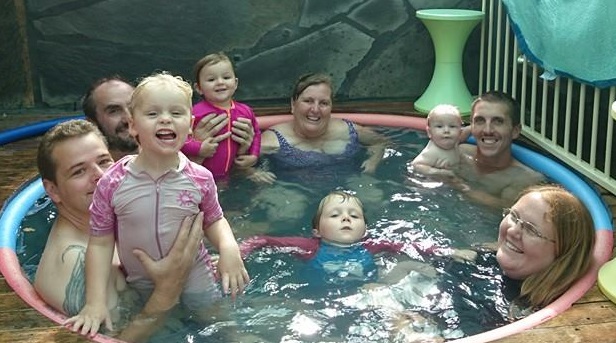
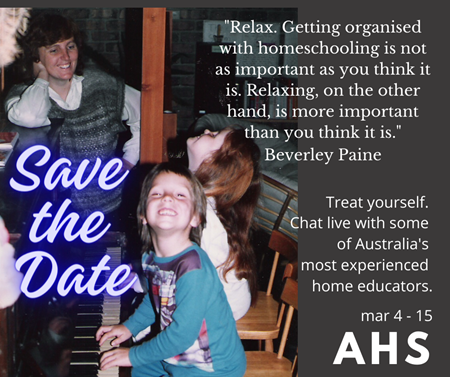
Beverley Paine with her children, and their home educated children, relaxing at home.
Together with the support of my family, my aim is to help parents educate their children in stress-free, nurturing environments. In addition to building and maintaing this website, I continue to create and manage local and national home educating networks, help to organise conferences and camps, as well as write for, edit and produce newsletters, resource directories and magazines. I am an active supporter of national, state, regional and local home education groups.
"You've been an inspiration to me, I love the way
you really listen to people." Vanessa
"Whenever I read your writing I always come away
with increased confidence in my ability to provide and
share a wonderful learning journey with my family!" Davina
"Your guidance, understanding, support and words of
wisdom changed our lives. We now offer support and
organise many homeschooling events for others." Lesley
"Thank you once again for your prompt and friendly service.
I am convinced that your books are going to add
quality and peace of mind to my journey of teaching my kids
at home! Just from studying your website, until almost
2am
in the morning, I 've been encouraged!" Louisa
"Thank you for all your many,many reassuring words
over many, many years. You probably don't know exactly how
valuable you are to the Australian Home Education community.
I've been reading your stuff for maybe 8 years or more now.
And I'm very grateful." Gythaa

CLICK HERE
if you want to learn
how to write your own education plans
to suit
your unique children's
individual learning needs?
Or you are looking for quality curriculum and teaching tips...
|
|
Welcome to the World of Home Education
and Learning without School!
We began educating our children in 1985, when our eldest was five. In truth, we had helped them learn what they need to learn since they were born. I am a passionate advocate of allowing children to learn unhindered by unnecessary stress and competition, meeting developmental needs in ways that suit their individual learning styles and preferences. Ours was a homeschooling, unschooling and natural learning family! There are hundreds of articles on this site to help you build confidence as a home educating family. We hope that your home educating adventure is as satisfying as ours was! Beverley Paine
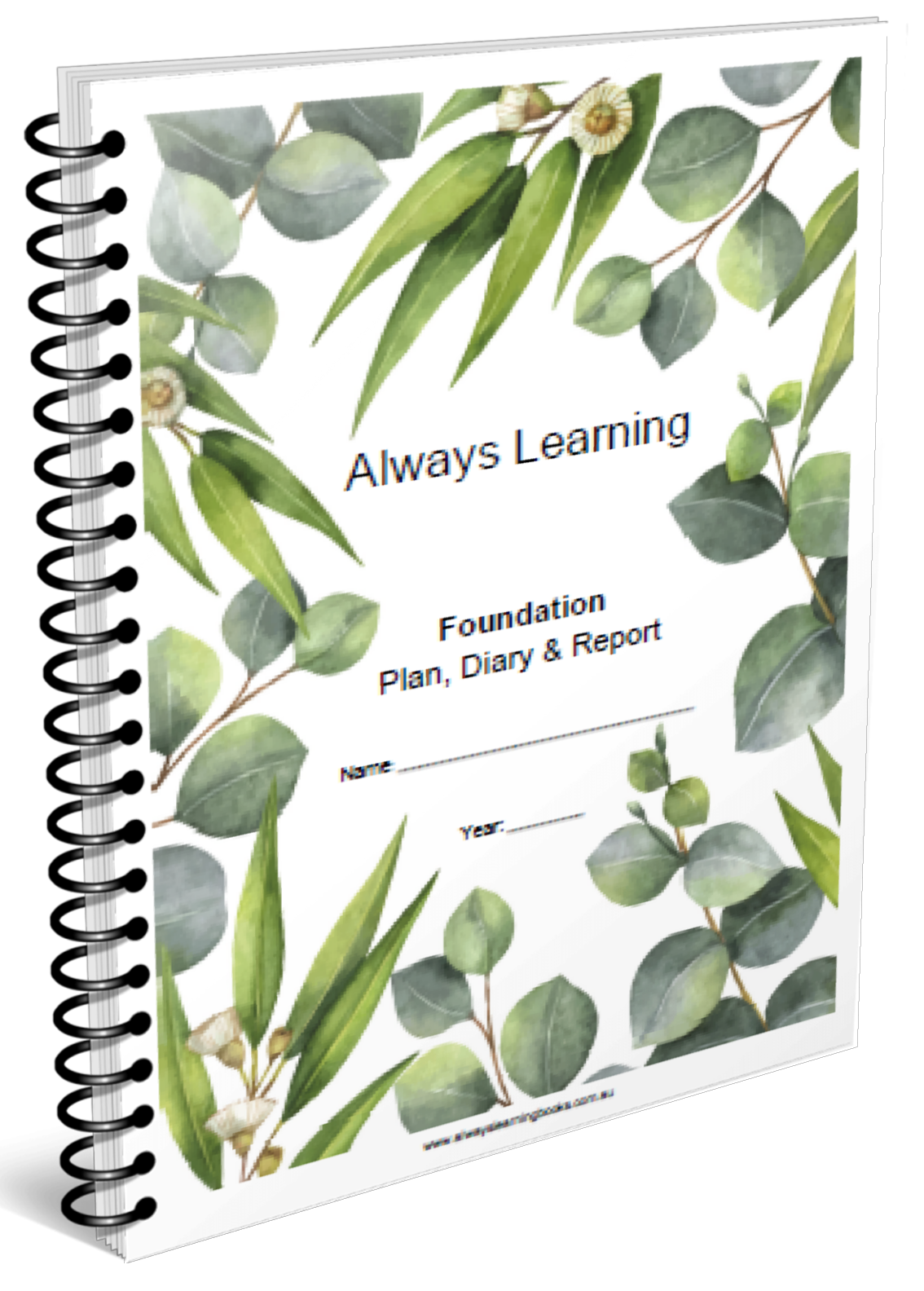
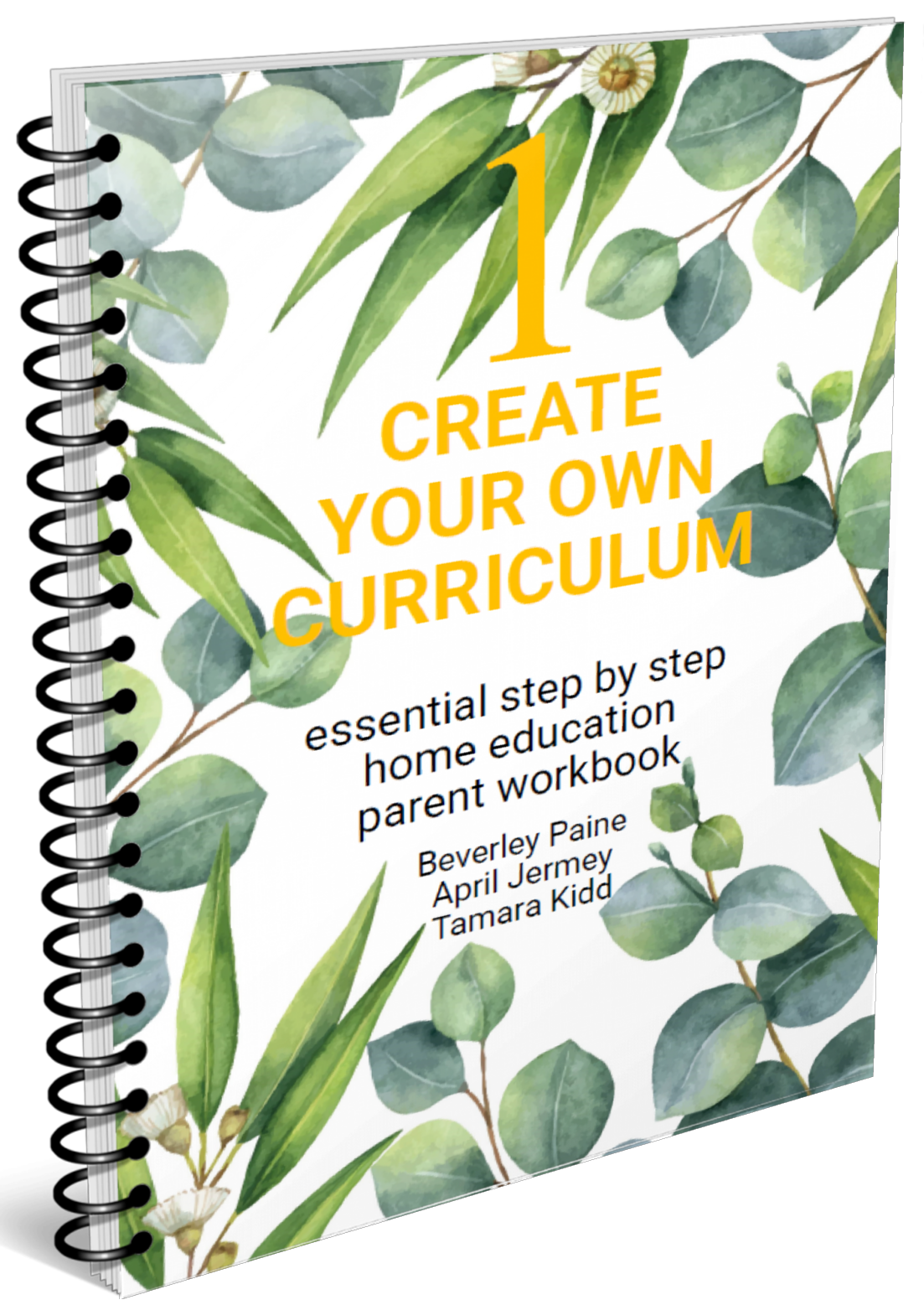
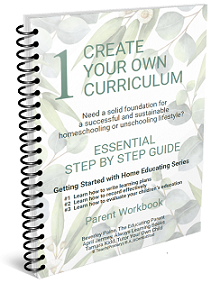
3 ESSENTIAL STEP BY STEP GUIDES
Let experienced home educators Beverley, Tamara and April walk you through HOW to create a learning plan that builds on solid foundations that works for YOUR family AND ticks all the boxes for home educaton registration!
|

Tap into Beverley's
experience
through her books
"Your books, your blogs helped me beyond words... they helped me to find comfort in knowing it is ok to choose exactly what is best for my family." Nisha
"Your books and information are mind blowing and already I am feeling good about this new experience." Diane
"Your guidance, understanding, support & words of wisdom changed our lives." Leslie
"I feel specially inspired by Beverley's words and, the more I read her comments, the more inspired I feel, since my need for support, respect for different parenting styles, and information are fully met." Marijo
|
 |
|

The information on this website is of a general nature only and is not intended as personal or professional advice. This site merges and incorporates 'Homeschool Australia' and 'Unschool Australia'.
The Educating Parent acknowledges the Traditional Aboriginal and Torres Strait Islander Owners, the Custodians of Australia, and pay our respects to Elders past and present and extend that respect to Aboriginal and Torres Strait Islander people viewing this website.
Advertise on this site.






Australia's premier online annual conferences, lifetime access to video and audio recordings, freebies, notes and associated resource guides.
EVERY SUMMIT IS UNIQUE!
$29 each  2023 2023  2022 2021 2022 2021
$25 each 2020 2019 2017
"Biggest and best Aussie homeschool event of the year!"
Home education is a legal alternative
to school education in Australia.
State and Territory governments are responsible
for regulating home education and have different
requirements, however home educating families
are able to develop curriculum and learning programs
to suit the individual needs of their children.

Without revenue from advertising
by educational suppliers and Google Ads
we could not continue to provide information
to home educators. Please support us by letting
our advertisers know that you found them on
The Educating Parent. Thanks!
|
 About
About


 Thank you for visiting!