|
Are You Sitting Down?
By Beverley Paine
Last month I was sitting down at breakfast when the guy on the radio broke the news that people who sit a lot die younger. Actually, the item was about the negative health effects of watching television, but nothing in the report - apart from sitting to watch it - demonstrated why the television was the source of the problem.
Everyone has heard the story that television rots your brain, now there is proof that the damage is more pervasive. A research study that followed more than 8000 Australian adults for six years which was recently published in the journal Circulation by Professor David Dunstan of the Melbourne based Baker IDI Heart and Diabetes Institute, suggests that every extra hour spent watching television increases people's risk of premature death. Dunstan is quoted as saying, "People who watch four or more hours of television a day have a 46% higher risk of death from all causes and 80% increased risk of death from cardiovascular disease."
The problem lies with the absence of muscle movement. According to Dunstan, "muscle contractions are important for many of the body's regulatory processes, such as breaking down and using glucose, so that loss of muscle movement for prolonged periods may result in a disruption to the body's regulatory processes."
And it doesn't matter if you exercise regularly either. Too much sitting will shorten your life regardless. "Even if someone has a healthy body weight, sitting for long periods of time still has an unhealthy influence on their blood sugar and blood fats," Dr Dunstan told The Times . The only answer is to move - and move often. The implications for people who work at desks in offices is worrying, but of even greater concern is the effect this is having on the long term health of school children in classrooms.
As a child in the 1960s I walked three kilometers a day, to and from school, in addition to playing chasey and ball games during lunch and recess breaks. Weeknights and weekends were spent playing on the vacant lot over the road or riding my bike or going for long walks. My own children didn't get the opportunity for that long daily walk to school and spent more time travelling in the car than I ever did. Luckily they loved to play outside and rarely spent time sitting still. That changed in their teens, though, and in light of this current study, I have to say, I wish they had spent more time moving around.
Thanks to 'stranger danger', most families owning second cars and the computer, in a couple of generations we've gone from being fairly active to sitting around for most of the day.
Trevor Shilton from the Heart Foundation foresees "a time where we will have, in addition to our guidelines, a defined 30 minutes of physical activity, also guidelines about moving more and standing more throughout the day." It's hard to see this wisdom implemented to positively affect the lives of the current generation of young people growing up, especially as health and physical development are not considered 'core' enough to be part of the new National Curriculum!
The human body was designed to move, not sit for extended periods of time. As home educators we can organise our lives to include many periods of physical activity each day for our children. It's not about exercising and going for a walk, although that would definitely help. We need to consider different ways of doing sitting tasks. Or perhaps redesigning furniture and room layouts to make standing more the norm. Raise desks to bench height for writing tasks. Eat one meal standing up and another squatting, instead of sitting. Instead of arranging things so that we don't have to walk far to get them, scatter them at different ends of the house. Provide opportunities to reach and bend. Instead of making a list so we pick things up along the way, make several trips - on foot, of course, not in the car! Our preference for convenience is killing us.
Dr Dunstan and his colleagues wouldn't recommend more than two hours of television a day, not unless you were standing or exercising on the spot while doing it. I'm no couch potato, but I'm not happy. It's obvious I'm doomed. But it's not me I'm worried about - at this age it's obvious I'm not going to live forever. It's the children I'm concerned about.

Was this article helpful? Was it worth $1.00 to you?
Your gift of $1 or more helps to keep this site operating
offering encouragement
and reassurance to families
wanting
better outcomes for their children.
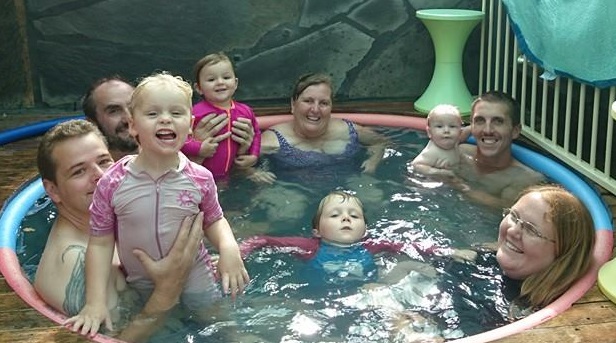
Beverley Paine with her children, and their home educated children, relaxing at home.
Together with the support of my family, my aim is to help parents educate their children in stress-free, nurturing environments. In addition to building and maintaing this website, I continue to create and manage local and national home educating networks, help to organise conferences and camps, as well as write for, edit and produce newsletters, resource directories and magazines. I am an active supporter of national, state, regional and local home education groups.
"You've been an inspiration to me, I love the way
you really listen to people." Vanessa
"Whenever I read your writing I always come away
with increased confidence in my ability to provide and
share a wonderful learning journey with my family!" Davina
"Your guidance, understanding, support and words of
wisdom changed our lives. We now offer support and
organise many homeschooling events for others." Lesley
"Thank you once again for your prompt and friendly service.
I am convinced that your books are going to add
quality and peace of mind to my journey of teaching my kids
at home! Just from studying your website, until almost
2am
in the morning, I 've been encouraged!" Louisa
"Thank you for all your many,many reassuring words
over many, many years. You probably don't know exactly how
valuable you are to the Australian Home Education community.
I've been reading your stuff for maybe 8 years or more now.
And I'm very grateful." Gythaa

CLICK HERE
if you want to learn
how to write your own education plans
to suit
your unique children's
individual learning needs?
Or you are looking for quality curriculum and teaching tips...
|
|
Welcome to the World of Home Education
and Learning without School!
We began educating our children in 1985, when our eldest was five. In truth, we had helped them learn what they need to learn since they were born. I am a passionate advocate of allowing children to learn unhindered by unnecessary stress and competition, meeting developmental needs in ways that suit their individual learning styles and preferences. Ours was a homeschooling, unschooling and natural learning family! There are hundreds of articles on this site to help you build confidence as a home educating family. We hope that your home educating adventure is as satisfying as ours was! Beverley Paine
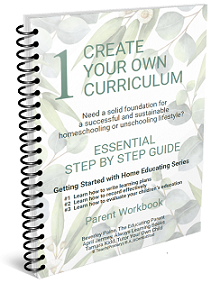
3 ESSENTIAL STEP BY STEP GUIDES
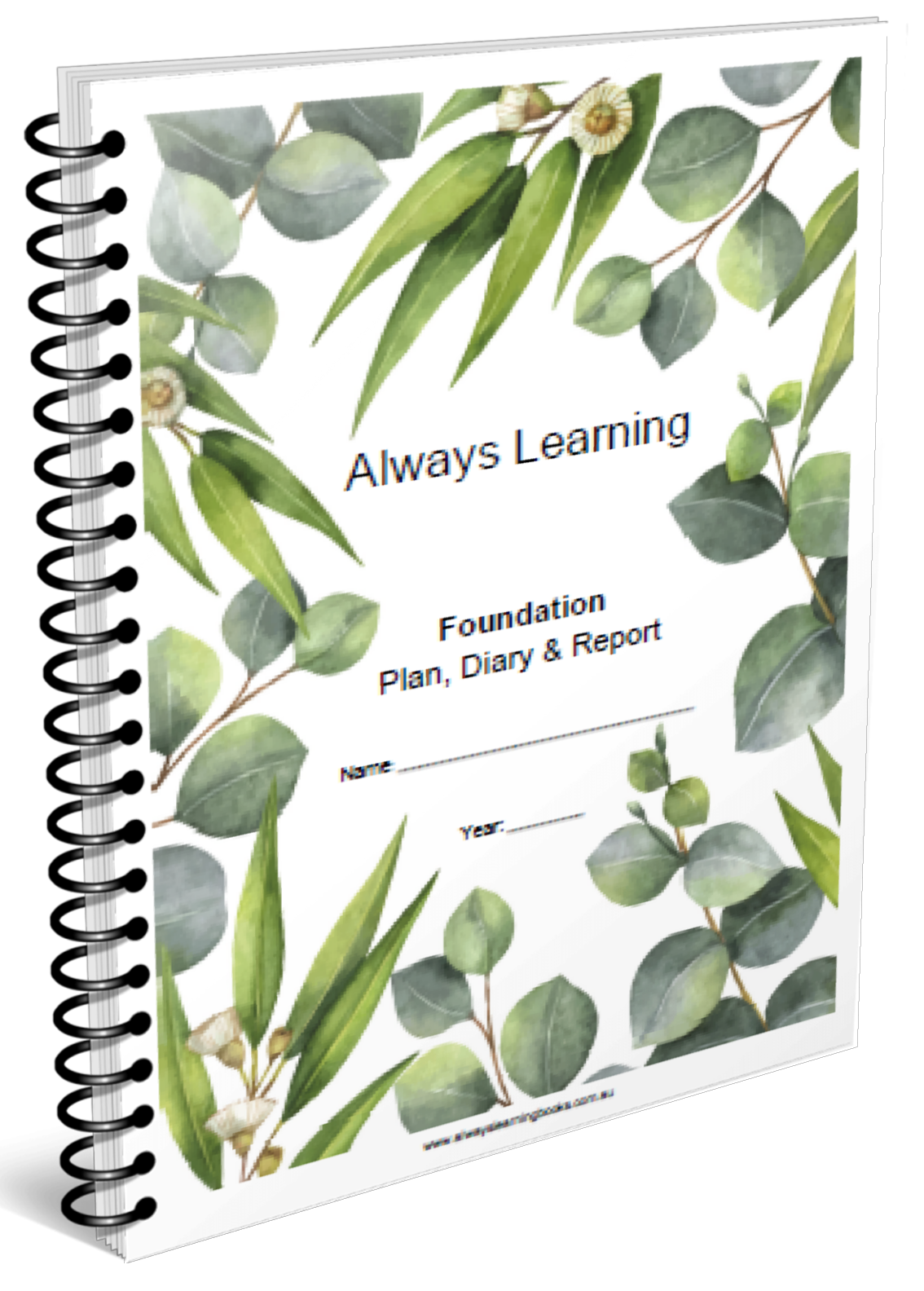
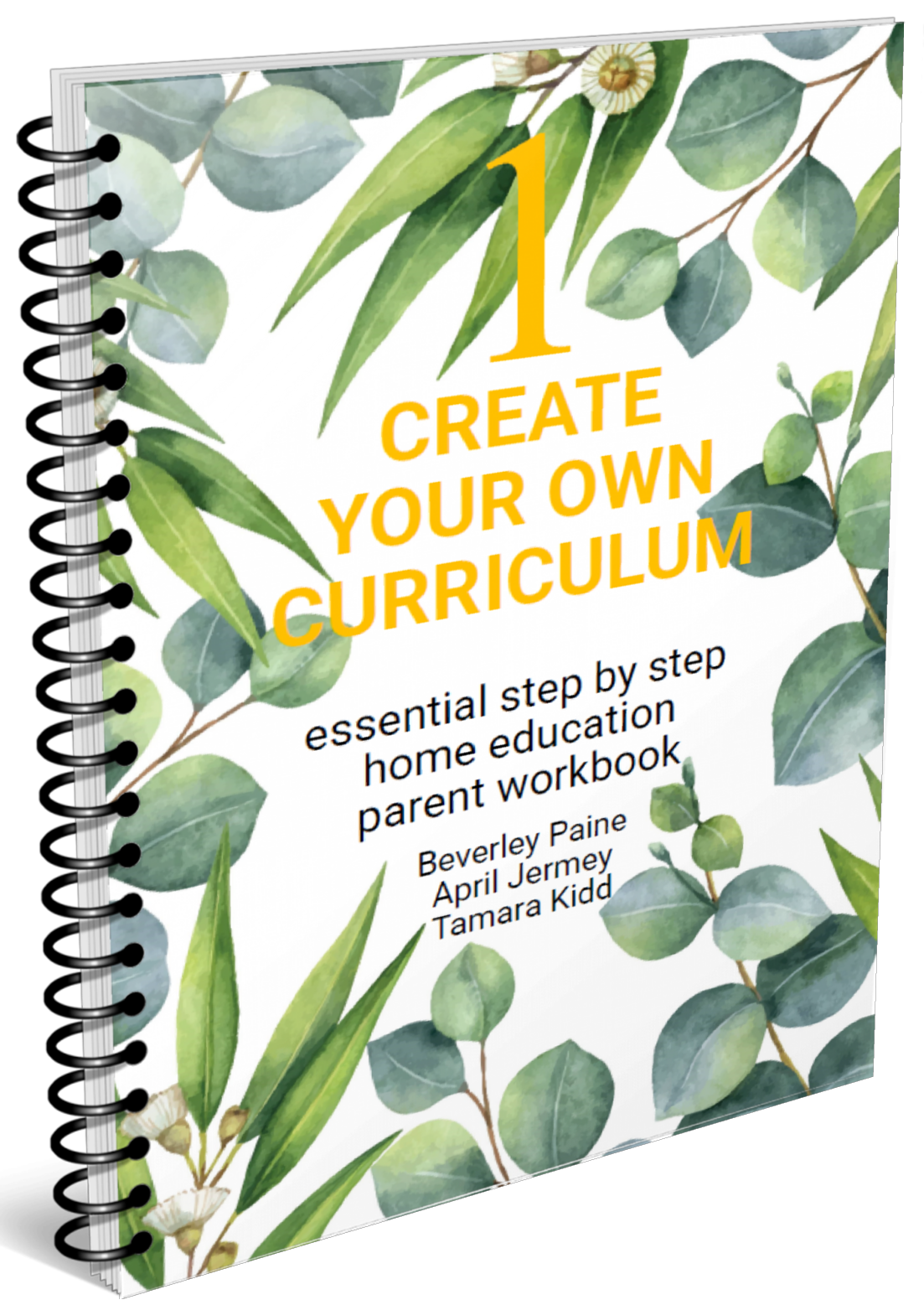
Let experienced home educators Beverley, Tamara and April walk you through HOW to create a learning plan that builds on solid foundations that works for YOUR family AND ticks all the boxes for home educaton registration!
|

Tap into Beverley's
experience
through her books
"Your books, your blogs helped me beyond words... they helped me to find comfort in knowing it is ok to choose exactly what is best for my family." Nisha
"Your books and information are mind blowing and already I am feeling good about this new experience." Diane
"Your guidance, understanding, support & words of wisdom changed our lives." Leslie
"I feel specially inspired by Beverley's words and, the more I read her comments, the more inspired I feel, since my need for support, respect for different parenting styles, and information are fully met." Marijo
|
 |
|

The information on this website is of a general nature only and is not intended as personal or professional advice. This site merges and incorporates 'Homeschool Australia' and 'Unschool Australia'.
The Educating Parent acknowledges the Traditional Aboriginal and Torres Strait Islander Owners, the Custodians of Australia, and pay our respects to Elders past and present and extend that respect to Aboriginal and Torres Strait Islander people viewing this website.
Advertise on this site.






Australia's premier online annual conferences, lifetime access to video and audio recordings, freebies, notes and associated resource guides.
EVERY SUMMIT IS UNIQUE!
$29 each  2023 2023  2022 2021 2022 2021
$25 each 2020 2019 2017
"Biggest and best Aussie homeschool event of the year!"
Home education is a legal alternative
to school education in Australia.
State and Territory governments are responsible
for regulating home education and have different
requirements, however home educating families
are able to develop curriculum and learning programs
to suit the individual needs of their children.

Without revenue from advertising
by educational suppliers and Google Ads
we could not continue to provide information
to home educators. Please support us by letting
our advertisers know that you found them on
The Educating Parent. Thanks!
|
 About
About


 Thank you for visiting!