|
What To Record When Homeschooling
© Beverley Paine
Recording can include just about anything you do in your daily life, not just those things normally associated with 'school work'. It will save you a lot of time if you become clear about what it is you really need to have a record of, and for you to develop a system of recording which is simple, quick and well organised. It also needs to be done in a style you feel most comfortable with, or your resistance to keeping records will cause much frustration and feelings of failure!
What you record may include anything, although preferably not everything, your children do in the process of learning, either spontaneous, organised or solicited. Some parents often find themselves keeping most of the art and written work of their children, as the children's output is sometimes low in these areas, particularly for boys. Experience has shown home schooled children tend to produce less 'paper' work, but when they do, it is generally of a very high standard. Other parents will select only the best work, or examples which demonstrate milestones, new abilities, or desired outcomes of activities. A collection of such samples provides a basis for comparison over time, allowing you all to see how each child has progressed. It is important not to compare children against each other. Such comparisons are not relevant to each child's learning process and can be harmful to developing self esteem.
Most of the children's activities will not involve written or drawn work, and you may need to be creative in recording the most significant of them. Craft work can present particular problems if you are short on room to store finished products. Try encouraging the children to record their masterpieces as photographs which they can then date and caption, and may launch them into photography as a hobby!
The questions children ask offer an important insight into their existing or modified concepts and understandings. By keeping a record of these questions in your journal or evaluation folder you provide yourself with an extremely useful aid in planning future and follow up learning opportunities. Jot them down at a convenient time.
Anecdotal records are an excellent way to record, and often take the form of a journal. Journals, diaries or calendars become more useful if they record children's comments and responses as well as simply listing the children's activities. Anecdotal comments reveal your reactions or insights into not only your children's learning processes, but how you are learning from being the educational facilitator.
Such recording is made easier for you if you place a notebook, or your journal, open somewhere in the kitchen or family room with a pencil or biro next to it.
Recording and evaluation plays a pivotal role in educating your children at home. It may seem tedious and time wasting at times, but as you take the time to record, you are learning about how your children are growing and developing, and how they perceive their world. You are also reflecting upon your own role as their parent and educator, and how you can adapt and improve your methods to provide the best education possible. All this takes conscious effort and time.
Recording and collecting selected products of learning - the finished or half finished projects, workbooks, art or craft items, photographs of activities or events, etc., helps with immediate evaluation and planning, but can also provide a long term evaluative perspective.
Looking back on what your child did a month, a year or more ago, can illustrate how the child is building concepts and progressing with their acquisition of skills and knowledge in a way impossible to determine or remember from day to day. This long term view is invaluable at allaying nagging doubts about the effectiveness of your home learning program.
Not only will your recording efforts delight you when looking back over them in the years to come, your children will treasure revisiting their younger selves time and time again. Children enjoy reviewing collections of their work, which tend to evoke more detailed memories than any photograph album!

Was this article helpful? Was it worth $1.00 to you?
Your gift of $1 or more helps to keep this site operating
offering encouragement
and reassurance to families
wanting
better outcomes for their children.
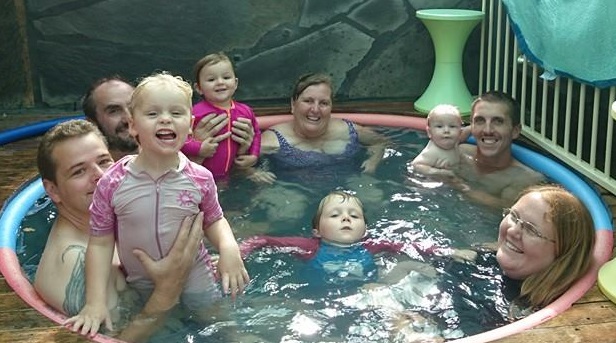
Beverley Paine with her children, and their home educated children, relaxing at home.
Together with the support of my family, my aim is to help parents educate their children in stress-free, nurturing environments. In addition to building and maintaing this website, I continue to create and manage local and national home educating networks, help to organise conferences and camps, as well as write for, edit and produce newsletters, resource directories and magazines. I am an active supporter of national, state, regional and local home education groups.
"You've been an inspiration to me, I love the way
you really listen to people." Vanessa
"Whenever I read your writing I always come away
with increased confidence in my ability to provide and
share a wonderful learning journey with my family!" Davina
"Your guidance, understanding, support and words of
wisdom changed our lives. We now offer support and
organise many homeschooling events for others." Lesley
"Thank you once again for your prompt and friendly service.
I am convinced that your books are going to add
quality and peace of mind to my journey of teaching my kids
at home! Just from studying your website, until almost
2am
in the morning, I 've been encouraged!" Louisa
"Thank you for all your many,many reassuring words
over many, many years. You probably don't know exactly how
valuable you are to the Australian Home Education community.
I've been reading your stuff for maybe 8 years or more now.
And I'm very grateful." Gythaa

CLICK HERE
if you want to learn
how to write your own education plans
to suit
your unique children's
individual learning needs?
Or you are looking for quality curriculum and teaching tips...
|
|
Welcome to the World of Home Education
and Learning without School!
We began educating our children in 1985, when our eldest was five. In truth, we had helped them learn what they need to learn since they were born. I am a passionate advocate of allowing children to learn unhindered by unnecessary stress and competition, meeting developmental needs in ways that suit their individual learning styles and preferences. Ours was a homeschooling, unschooling and natural learning family! There are hundreds of articles on this site to help you build confidence as a home educating family. We hope that your home educating adventure is as satisfying as ours was! Beverley Paine
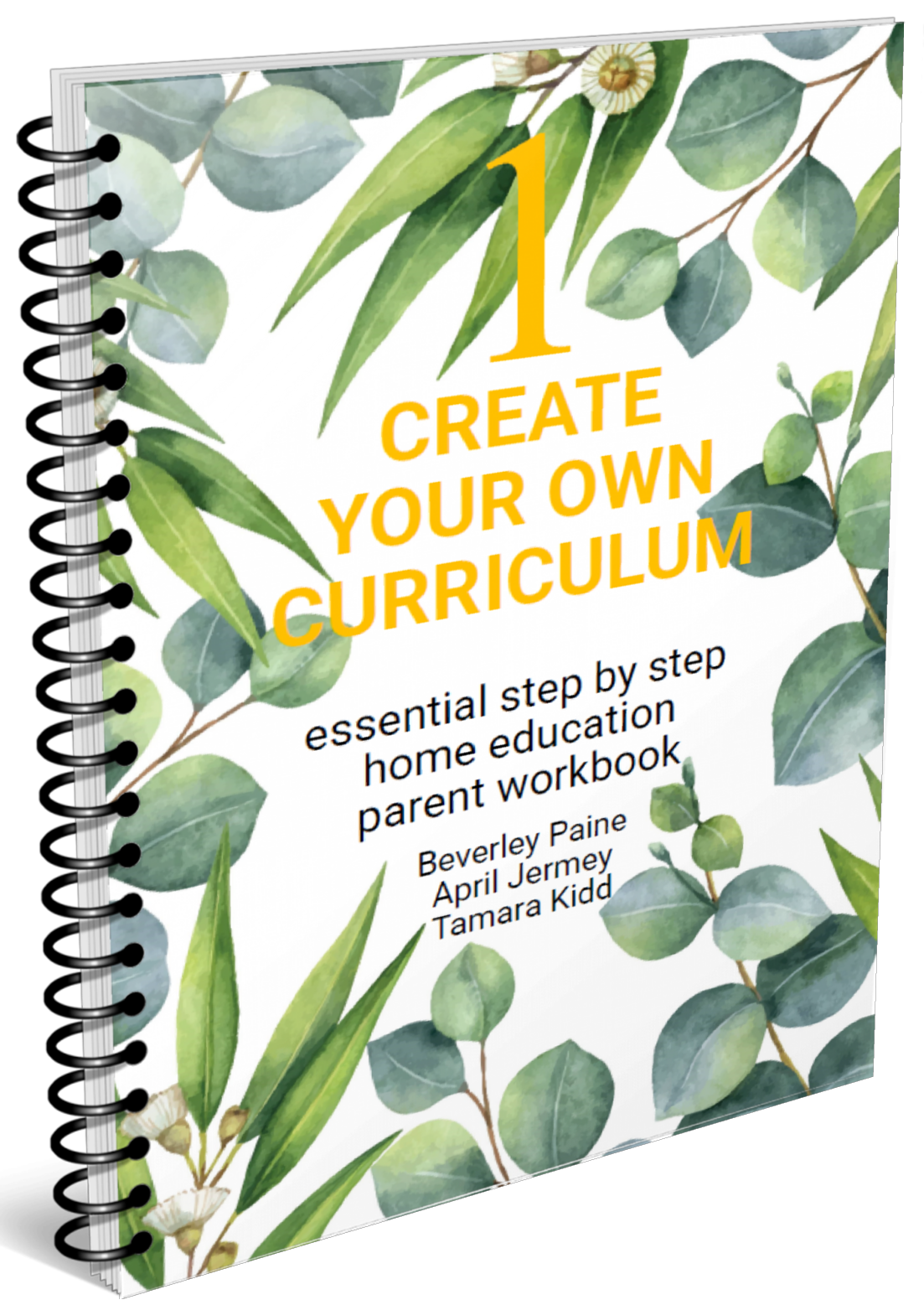
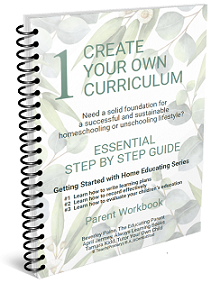
3 ESSENTIAL STEP BY STEP GUIDES
Let experienced home educators Beverley, Tamara and April walk you through HOW to create a learning plan that builds on solid foundations that works for YOUR family AND ticks all the boxes for home educaton registration!
|

Tap into Beverley's
experience
through her books
"Your books, your blogs helped me beyond words... they helped me to find comfort in knowing it is ok to choose exactly what is best for my family." Nisha
"Your books and information are mind blowing and already I am feeling good about this new experience." Diane
"Your guidance, understanding, support & words of wisdom changed our lives." Leslie
"I feel specially inspired by Beverley's words and, the more I read her comments, the more inspired I feel, since my need for support, respect for different parenting styles, and information are fully met." Marijo
|
 |
|

The information on this website is of a general nature only and is not intended as personal or professional advice. This site merges and incorporates 'Homeschool Australia' and 'Unschool Australia'.
The Educating Parent acknowledges the Traditional Aboriginal and Torres Strait Islander Owners, the Custodians of Australia, and pay our respects to Elders past and present and extend that respect to Aboriginal and Torres Strait Islander people viewing this website.
Advertise on this site.







Australia's premier online annual conferences, lifetime access to video and audio recordings, freebies, notes and associated resource guides.
EVERY SUMMIT IS UNIQUE!
$29 each  2023 2023  2022 2021 2022 2021
$25 each 2020 2019 2017
"Biggest and best Aussie homeschool event of the year!"
Home education is a legal alternative
to school education in Australia.
State and Territory governments are responsible
for regulating home education and have different
requirements, however home educating families
are able to develop curriculum and learning programs
to suit the individual needs of their children.

Without revenue from advertising
by educational suppliers and Google Ads
we could not continue to provide information
to home educators. Please support us by letting
our advertisers know that you found them on
The Educating Parent. Thanks!
|
 About
About


 Thank you for visiting!