|
The Educational Value of Chores
How to Make Chores an Integral Part of Your Children's Homeschooled Curriculum
© Beverley Paine
Someone once said to me, " Work is not "work." It's the main part of living." I liked to look at work another way: we play at working and we work at playing. As my children grew I encouraged them to consider work not as a chore, but as something that helps build meaning into their lives. The word chore is laden with emotion for most of us, but there's no way we can hide from the daily work that is aptly described as 'chores'.
A homeschooling parent will quickly burn out if he or she doesn't learn to delegate work throughout the day. We consider that all the participants in our home life are responsible for the chores: this helps to spread the load. Although we take the lion's share the children have always been involved, and this has resulted in a more equal sharing as they have grown into adolescence without a lot of the pain experienced by many other families.
When asking the children to help I am careful to work with them, modelling the behaviour, attitudes and actions I want them to adopt. Years of experience has taught me to start off small, with short tasks when the children were little, and to be there, supervising, even when they became older, rather than letting them just get on with it themselves.
A tip to remember when involving the children in the household chores is to allow extra time. This isn't something to implement if you are stressed or in a hurry. We all know it's quicker and easier to mop the floor if we do it ourselves. Throw out that old adage "If you want a job done well, do it yourself" and be prepared to put up with less exacting results! Remember that the purpose of asking children to do chores isn't to make our lives easier but to help prepare them for adult life. Create a schedule and use the following list of chores as a guide if it helps. Make doing chores a priority each day. They are as important as any other part of the children's homeschool curriculum.
Chores lend themselves perfectly towards achieving your long term home education goals. We all want our children to manage their home life once they leave home. Household chores are the foundational learning upon which this ability is built. Serving others is an essential element of a happy, fulfilled social life. By doing chores your children serve not only you and the other members of the family, but also themselves: they learn to live cooperatively within a community built on respectful relationships. Becoming a responsible adult is one of the most important goals of education. Attending to personal chores helps develop self-esteem. It's difficult to look after the needs of others if you can't identify or look after your own.
The list of chores following this article is a great place to start when thinking about the different areas of the curriculum naturally covered by chores.
Develop team-work to get things done; this encourages co-operation, dependability and responsibility. Involving the children in what you are doing is a good way to get started. Young children love to help wash dishes, do laundry, cook and clean, but never alone! Teach your children how to work well by talking about what you are doing, how to do it, tips on doing it more efficiently, and why it needs to be done in the first place. This is a great opportunity to build vocabulary and encourage technological skills and understanding. Cross-curriculum learning at its best!
Another timeless wisdom I took heed of was; "Never do for a child what he is capable of doing for himself". This can be started very early, even before children begin walking. "Let me do it myself!" are words you want to hear as often as possible every day! Children are highly motivated to be self-reliant. With patience, understanding and close supervision, ready to step in and help if required or asked, is all we need to offer.
If the child wants to do something beyond his ability, instead of discouraging him (worrying that she might break something or herself) brainstorm with her how to overcome any obstacles that make the task difficult or complex, or work together. Model how to do the hard or dangerous parts safely. Children learn in leaps and bounds with close supervision as little apprentices!
There are many areas in which you are competent that the children can learn to do, and will enjoy doing if the responsibility is at first shared. Sometimes they will simply choose to watch, and as they grow confident ask to help you, or perhaps for instructions to do things for themselves.
Develop some ground rules based on each child's developmental level. Our daughter complained that her little brother didn't have to do as much as she had to, but we patiently explained that at his age she didn't have to either. However, don't underestimate your child's ability, or their desire to contribute. The trick is to make it easy and quick (not necessarily enjoyable or fun).
Help the children put away their toys and games: "If you got it out put it away afterwards" is a rule we see pinned to the fridge in many households. I've found it's never too late to get into this habit. Children find tidying up a tedious and endless task. I eventually learned that breaking the task into smaller, easier to manage chunks, and lending a helping hand, generally eliminated any whinging or procrastination.
We used open shelves for storage: this encouraged independence and made it easier for me to direct the children where to place items when tidying. Toys, games and educational materials were stored in clearly labelled trays and boxes. Before the children could read I used pictures as well as words, to help encourage independence. At around eleven years of age I found that the children naturally began organising their shelves in their bedroom, without help or prompting.
Learn to ask for help. I was 'supermum' for too many years, and resented the fact that I never had help until one day I realised I hadn't actually told anyone I needed it! It's surprising how much the children want to be involved and included in our adults lives, especially if we show appreciation for their inexpert efforts. Coercion and bribes don't seem to work well at all. I found quietly asking "Can you help me do (name the task) please?" when my children weren't busy with an activity of their own often did the trick.
Remember to keep the task short and simple and don't ask for more than one thing at a time. Quite often I'll accept "no" for an answer - sometimes the children are busy or don't want to do that task. They might be happy to help out in another way, so don't give up. I remember all the times I've let my children down when they've asked me for 'just another push on the swing'. Life is full of give and take. The cheerful cooperation this approach has generated in my children still stuns visitors and relatives!
Encourage the children to take care of their clothes. Ask the children to strip their beds on washing day and to always put their dirty clothes in the washing basket. We found it easier if the children undressed each night in the bathroom, where we kept the washing basket. Children as young as five, or even earlier, can take on the responsibility of stripping and making their bed, if gently reminded and offered a helping hand. I asked them to help me hang out and bring in the washing every wash day and found that by the age of ten they were happy to do this chore by themselves, although we often enjoyed doing it together throughout their teen years.
We're one of those families that come together for one main meal a day, usually dinner. We each get our own breakfast and lunch, eating what we want when we're hungry. More often than not we still eat together but the responsibility for choosing and making those meals lies with the individual. This meant I needed to make sure the pantry was stocked with nutritious and appropriate choices at all times. I began this when April, my eldest, was a tot, with abundant finger food, fruit and nutritious snacks readily available on the breakfast bar or dining room table. When the children were doing bookwork and projects they could munch and drink whenever they felt the need. There was always a jug of water on the table in our house. The only rule I enforced was 'no sweets an hour before dinner', and if they didn't like what was on offer they had to browse for something nutritious to replace it. Needless to say as adults my three are all adept at cooking up yummy meals for themselves!
Nurture a sense of family 'togetherness' while cooking the main meal and doing the dishes. I hated doing the dishes as a child, mostly because it was a 'chore', usually accompanied by much bickering and fighting with my siblings. We largely avoided this problem, by inviting the children to help us without insisting. Meal preparation has always been a family affair and the children enjoyed helping out each night. We seemed to chat more as we make the meal than we do sitting at the table eating it. It's a being together time that we all cherished. When chores become opportunities to have meaningful time with someone you love the dreariness often disappears.
We rarely used incentives to encourage the children to complete chores. Sometimes we'd delay them from doing something they wanted to do until the chores were done, but never as punishment. We didn't want our children to grow up thinking that taking care of themselves, their property or helping others was an unpleasant part of life! Old habits die hard and we often fell into patterns of conditioning that we grew up with, and this inconsistency often created problems which we then needed to fix, usually through family conversations about the need and place of chores in our lives.
I've always been amazed at what young children are capable of in a supportive and encouraging environment, where help is always at hand and offered freely. The results speak for themselves. I can't count how many times people have remarked on my children's willingness to help or lend a hand, to work unsupervised, often without reminders. By involving the children in doing chores in a way that didn't turn them into chores , helped develop a strong work ethic that their employers now value.
See Beverley's other articles on chores:

Was this article helpful? Was it worth $1.00 to you?
Your gift of $1 or more helps to keep this site operating
offering encouragement
and reassurance to families
wanting
better outcomes for their children.

Beverley Paine with her children, and their home educated children, relaxing at home.
Together with the support of my family, my aim is to help parents educate their children in stress-free, nurturing environments. In addition to building and maintaing this website, I continue to create and manage local and national home educating networks, help to organise conferences and camps, as well as write for, edit and produce newsletters, resource directories and magazines. I am an active supporter of national, state, regional and local home education groups.
"You've been an inspiration to me, I love the way
you really listen to people." Vanessa
"Whenever I read your writing I always come away
with increased confidence in my ability to provide and
share a wonderful learning journey with my family!" Davina
"Your guidance, understanding, support and words of
wisdom changed our lives. We now offer support and
organise many homeschooling events for others." Lesley
"Thank you once again for your prompt and friendly service.
I am convinced that your books are going to add
quality and peace of mind to my journey of teaching my kids
at home! Just from studying your website, until almost
2am
in the morning, I 've been encouraged!" Louisa
"Thank you for all your many,many reassuring words
over many, many years. You probably don't know exactly how
valuable you are to the Australian Home Education community.
I've been reading your stuff for maybe 8 years or more now.
And I'm very grateful." Gythaa

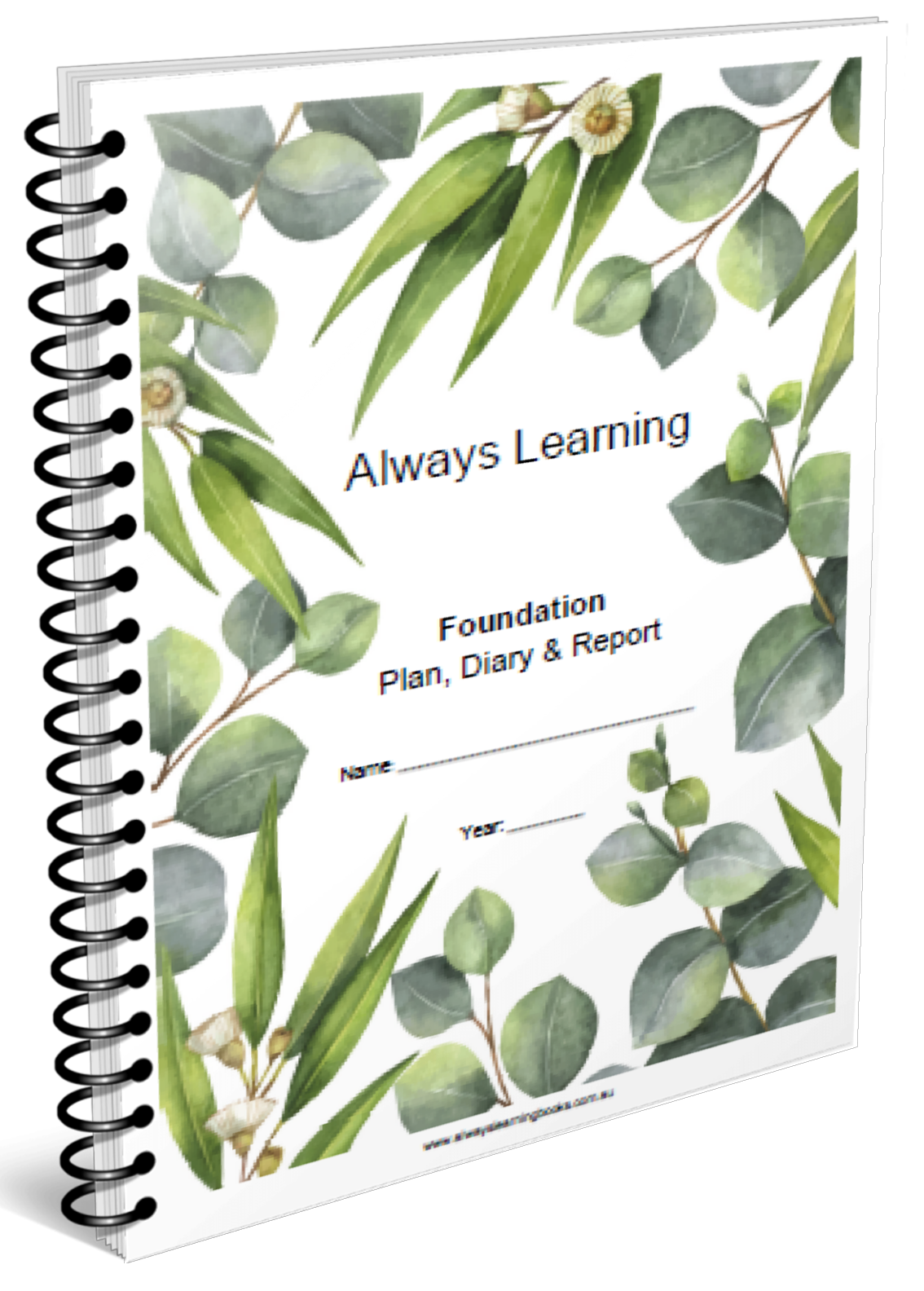
CLICK HERE
if you want to learn
how to write your own education plans
to suit
your unique children's
individual learning needs?
Or you are looking for quality curriculum and teaching tips...
|
|
Welcome to the World of Home Education
and Learning without School!
We began educating our children in 1985, when our eldest was five. In truth, we had helped them learn what they need to learn since they were born. I am a passionate advocate of allowing children to learn unhindered by unnecessary stress and competition, meeting developmental needs in ways that suit their individual learning styles and preferences. Ours was a homeschooling, unschooling and natural learning family! There are hundreds of articles on this site to help you build confidence as a home educating family. We hope that your home educating adventure is as satisfying as ours was! Beverley Paine
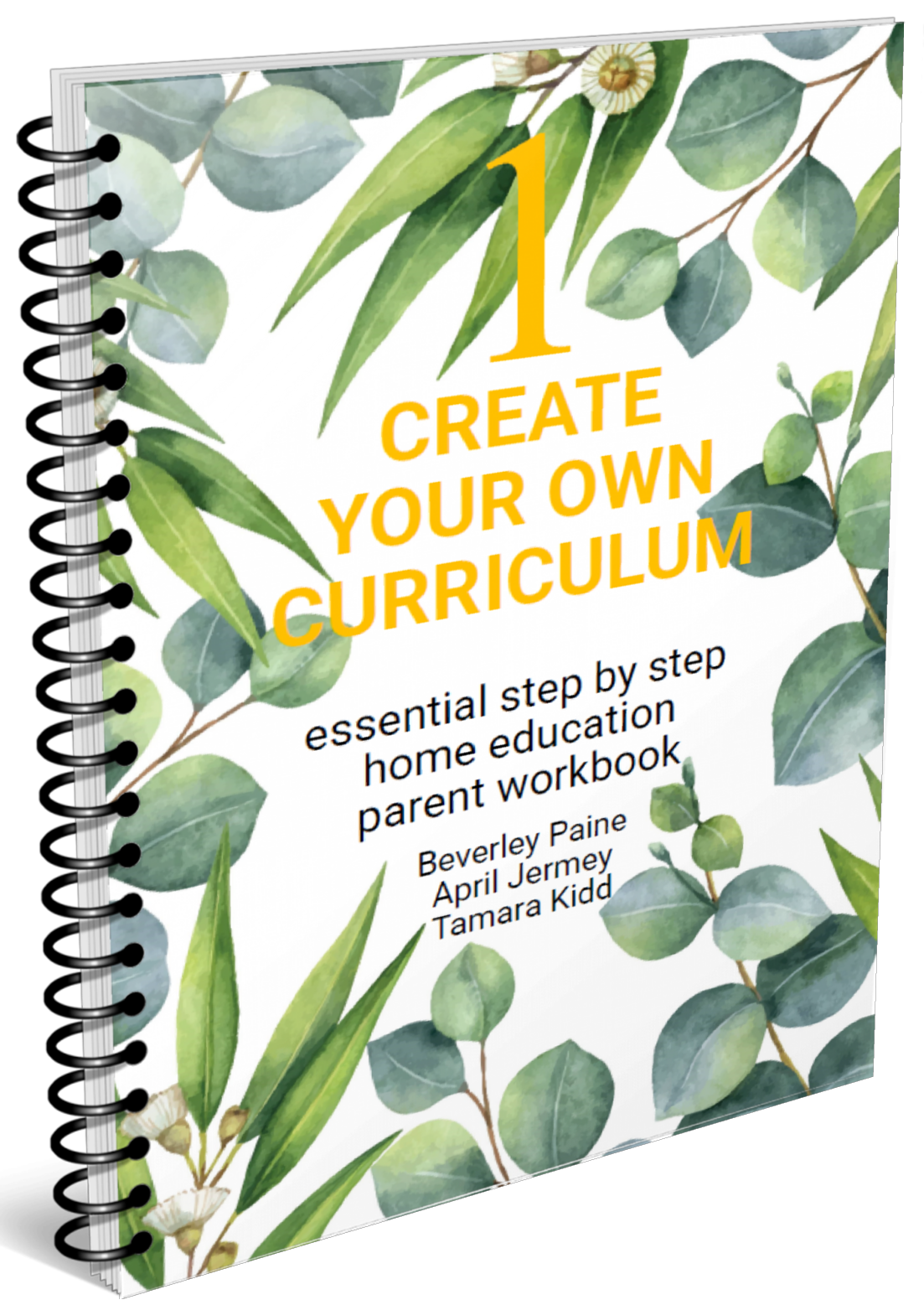
3 ESSENTIAL STEP BY STEP GUIDES
Let experienced home educators Beverley, Tamara and April walk you through HOW to create a learning plan that builds on solid foundations that works for YOUR family AND ticks all the boxes for home educaton registration!
|

Tap into Beverley's
experience
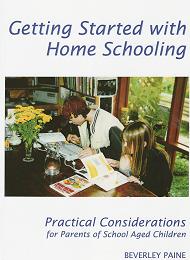
through her books
"Your books, your blogs helped me beyond words... they helped me to find comfort in knowing it is ok to choose exactly what is best for my family." Nisha
"Your books and information are mind blowing and already I am feeling good about this new experience." Diane
"Your guidance, understanding, support & words of wisdom changed our lives." Leslie
"I feel specially inspired by Beverley's words and, the more I read her comments, the more inspired I feel, since my need for support, respect for different parenting styles, and information are fully met." Marijo
|
 |
|

The information on this website is of a general nature only and is not intended as personal or professional advice. This site merges and incorporates 'Homeschool Australia' and 'Unschool Australia'.
The Educating Parent acknowledges the Traditional Aboriginal and Torres Strait Islander Owners, the Custodians of Australia, and pay our respects to Elders past and present and extend that respect to Aboriginal and Torres Strait Islander people viewing this website.
Advertise on this site.











Australia's premier online annual conferences, lifetime access to video and audio recordings, freebies, notes and associated resource guides.
EVERY SUMMIT IS UNIQUE!
$29 each  2023 2023  2022 2021 2022 2021
$25 each 2020 2019 2017
"Biggest and best Aussie homeschool event of the year!"
Home education is a legal alternative
to school education in Australia.
State and Territory governments are responsible
for regulating home education and have different
requirements, however home educating families
are able to develop curriculum and learning programs
to suit the individual needs of their children.

Without revenue from advertising
by educational suppliers and Google Ads
we could not continue to provide information
to home educators. Please support us by letting
our advertisers know that you found them on
The Educating Parent. Thanks!
|
 About
About


 Thank you for visiting!